Residential building with white rendered walls, timber cladding and large glazed openings.

About Quacent BV

Your project. Our kit. A coordinated supply.

Quacent BV connects European building teams with project-specific Ready-to-Assemble SIP Kits engineered and produced in China. From the first scope discussion to delivery preparation, we keep the design, supplied components and agreed support connected.

01 / One working relationship

European coordination. Production in China.

You need a clear route from a building design to a kit your contractor can use. Quacent BV is the Netherlands-based commercial and project contact for that supply. The production organisation in China prepares the engineered components, while the local project team carries the building forward.

Quacent BV / Europe

We coordinate the enquiry, proposed kit scope and communication with the European project team. The discussion brings design information, technical questions, delivery requirements and any additional support into the same brief.

Quacent China / production

The production organisation prepares the kit information and carries out the agreed manufacturing, machining, identification and packing. Approved drawings connect the requested design with the components being produced.

Your local building team

The architect, lead structural engineer and appointed contractor coordinate the wider building, local requirements and site works. We agree the handovers with them so kit supply fits the construction programme.

02 / Our focus

More than a collection of panels.

A Ready-to-Assemble SIP Kit is prepared around your project. Geometry, openings, connection components, identification and the agreed document set belong together. This is the step between an architectural design and an organised physical supply for assembly.

We start by understanding the intended use, site location and design stage. A developed drawing set helps define quantities and interfaces; an earlier concept helps identify the decisions and missing information that need attention first. The starting point shapes the next review rather than forcing every enquiry into the same package.

The quotation records the panels, connection materials, documentation and any additional engineering, logistics or assembly support. It also makes the boundaries visible, so your team can compare like-for-like offers and plan the remaining building work.

Explore what an RTA SIP Kit includes
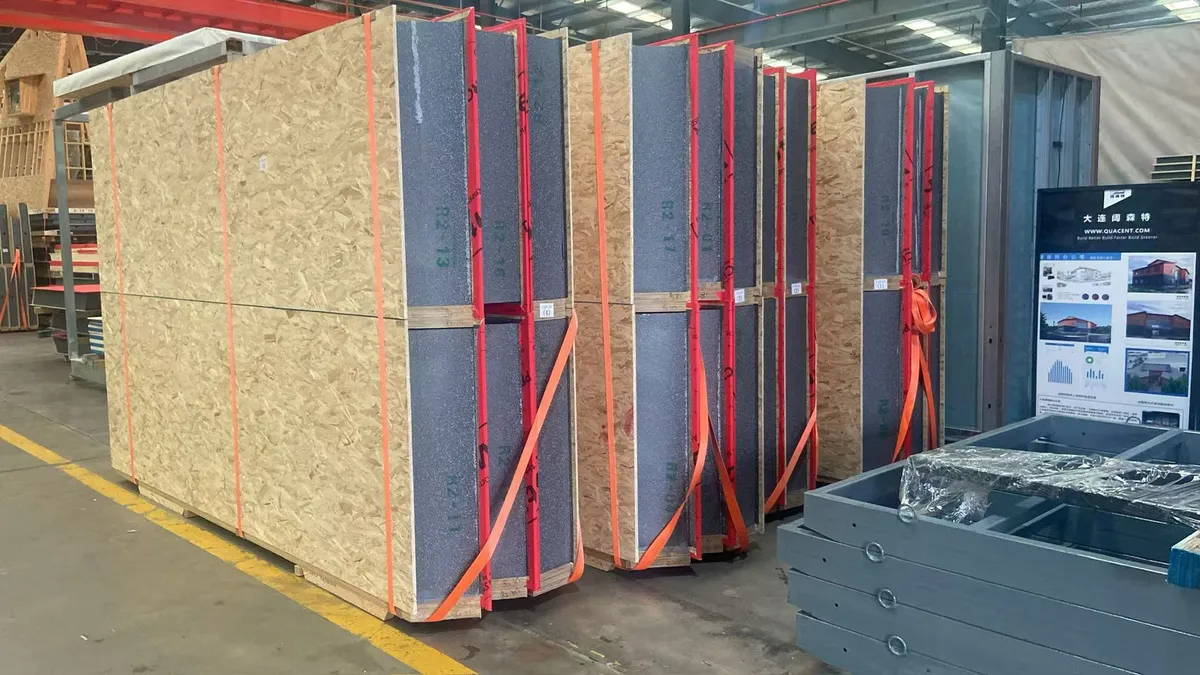
Upright SIP elements secured in red transport frames inside the production facility.
SIP elements prepared in the Chinese production facility for the agreed kit supply.

03 / Working with your team

Different roles. A shared project brief.

The best starting conversation depends on your role. Tell us what decision the kit information needs to support, who will review it and which other parties are already appointed. A common brief keeps commercial and technical questions connected.

Architects & engineers

Review panel layouts, openings, junctions and information required for the proposed application. Keep the architectural intent and the local engineering responsibilities clear. Design coordination

Contractors & developers

Discuss quantities, repeat designs, supply phases and site conditions alongside the wider programme. The kit is one defined part of the finished building. Development projects

Assembly teams

Understand the references, drawings, preparation and support needed to use the supplied kit. Agree who resolves questions before site work starts. Assembly support

Regional & strategic partners

Introduce your market, technical experience and intended role. Explore how a local project network can work with the European supply relationship. Working partnerships

04 / Delivered kit experience

See the kit in a real building project.

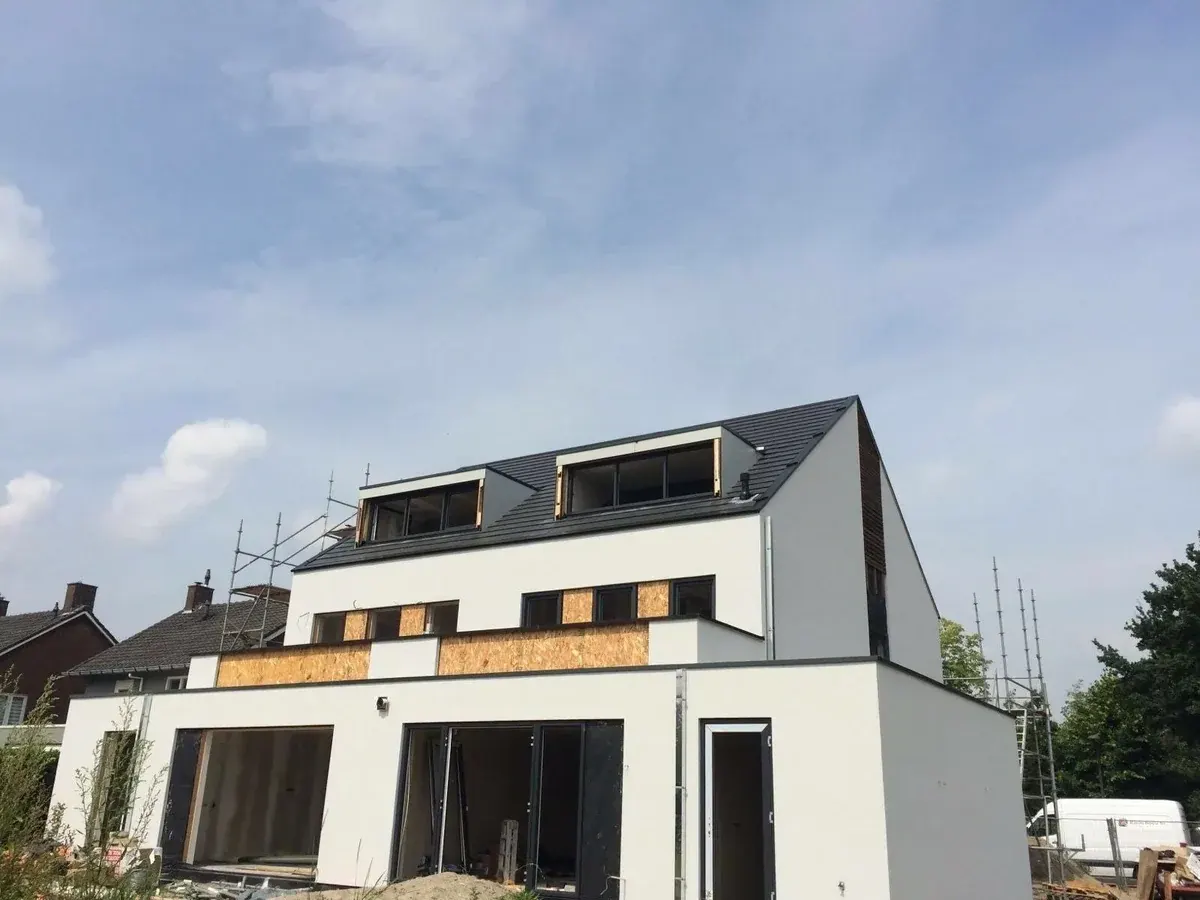
De Kreit building with rendered facades, dark roof and scaffolding during finishing.
De Kreit: a delivered Quacent Ready-to-Assemble SIP Kit, shown during later building works.

The project references on this website are delivered Quacent Ready-to-Assemble SIP Kits. Photographs show different building stages, while interactive models help explain the geometry of the engineered supply. They offer a practical starting point for discussing comparable applications.

De Kreit illustrates how the prepared SIP kit becomes part of a building completed by the local team. The photograph records a later construction stage; the Quacent reference is the engineered and delivered kit.

A useful comparison starts with the question you need answered: how openings were coordinated, how elements were identified or how supply fitted the project sequence. Ask for the relevant scope and documents rather than assuming that one project’s specification applies to another.

Explore delivered kit references

05 / Start with what you have

Bring the brief. We will define the next step.

Share the project country, intended use and available plans, elevations and sections. For an extension, identify the existing structure and the junctions your engineer is reviewing. For repeated housing, describe the house types, quantities and proposed delivery phases.

Tell us who makes decisions, who is preparing the design and whether a contractor is involved. Where drawings or dates are provisional, say so. The first conversation can then establish whether the next step is a scope discussion, further information, budget pricing or a defined technical review.

Your next step

Let’s discuss the building you have in mind.

Tell us your location, design stage and the scope you want to explore. There is no need to prepare a complete specification before the first conversation.