Review the interfaces
Quacent records questions and assumptions within the agreed kit scope. The responsible designers resolve the building-wide interfaces, including the relationship to the foundation and supporting construction.
Design & engineering support
Your architectural design is the starting point for a Ready-to-Assemble SIP Kit. Quacent coordinates panel layouts, openings, connections and production information with your appointed project team.
Information for review
Your architectural design is the starting point for a project-specific kit. Provide plans, elevations and sections with levels, dimensions, openings and roof geometry. Identify the revision and issue date, together with the questions still being resolved.
State the project location and intended use. Identify foundations, supporting structures, windows, roof and façade layers, and services that interact with the kit. Your responsible designers establish the applicable loads, performance requirements and local conditions.
PDF is suitable for an initial review. Use the enquiry form to arrange transfer of DWG or IFC information or to discuss a secure file link. Name the architect, local lead structural engineer, contractor and person authorised to confirm changes.

Coordination before manufacture
Panelisation relates the building to individual manufactured elements. Openings, supports and junctions need to work with both the architectural design and the contractor’s handling questions before component geometry is fixed.
Quacent records questions and assumptions within the agreed kit scope. The responsible designers resolve the building-wide interfaces, including the relationship to the foundation and supporting construction.
Coordinate panel boundaries, openings and connections. Agree which layout drawings, component references, details and calculations form part of the supply, and who checks each item.
Keep coordination drawings distinct from documents released for manufacture. Confirm the revision, dimensions and specifications through the nominated contacts; assess later changes before issuing a new instruction.
Read the building in more than one view
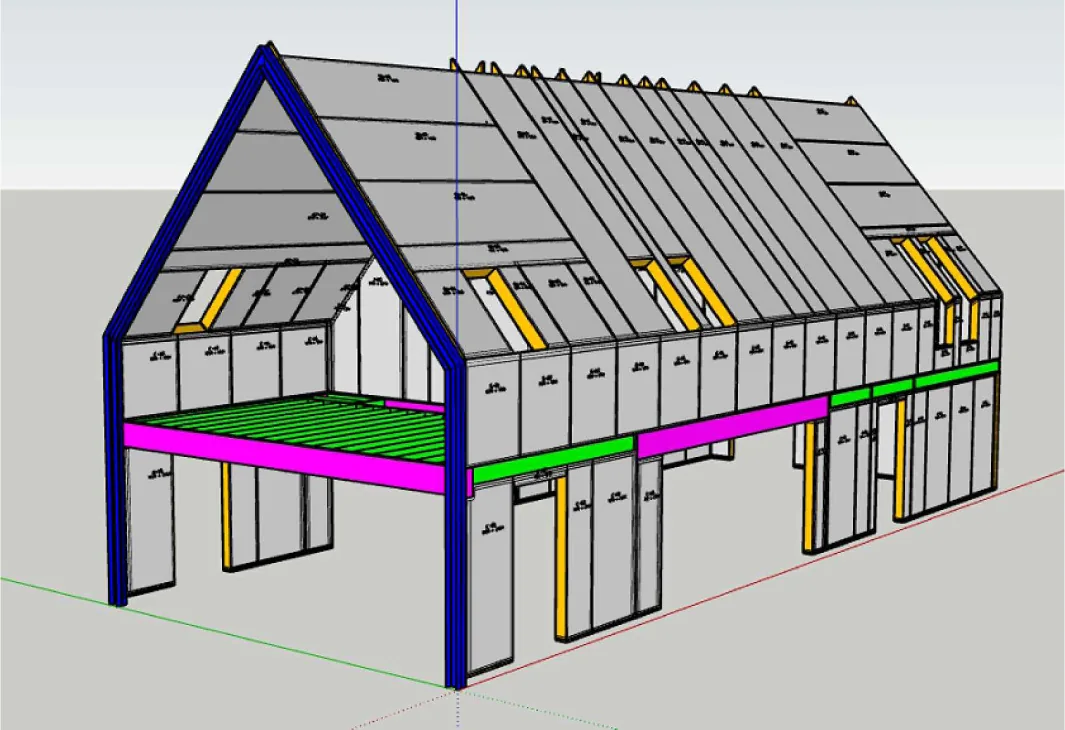
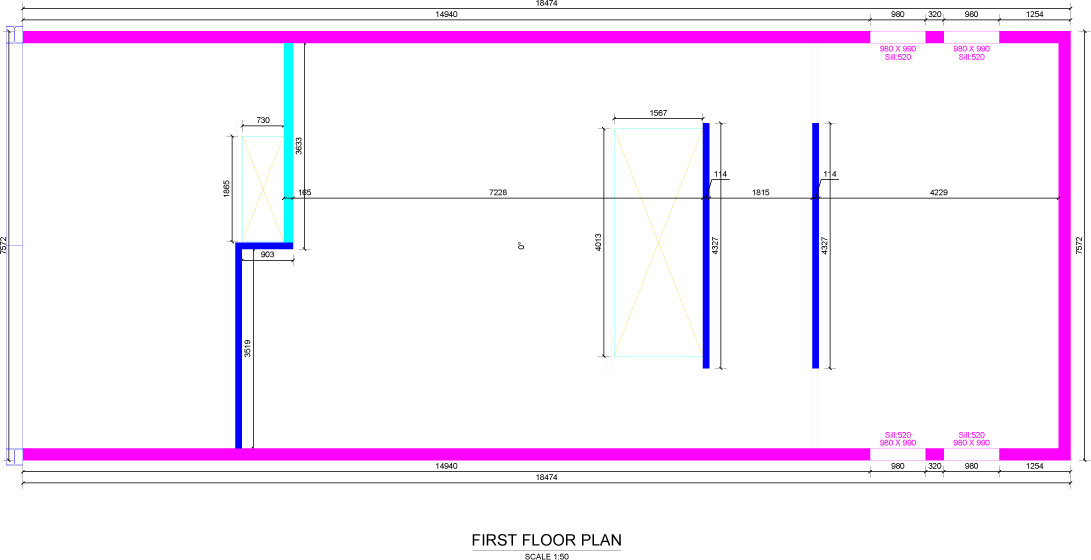
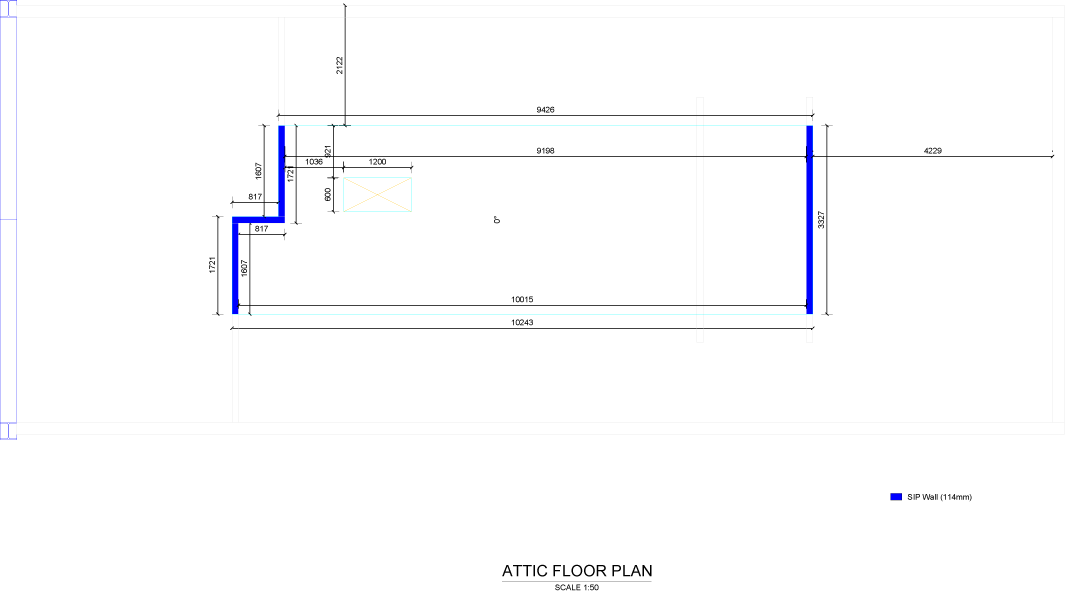
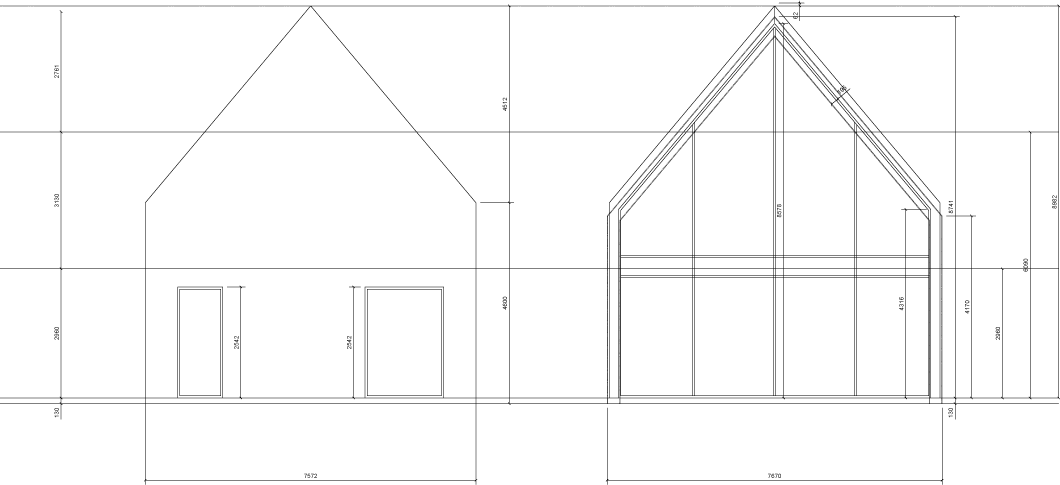
These drawings illustrate the information used in kit preparation. Read the views together to connect levels, openings and panel positions. Each image opens at its original resolution; construction uses the checked issue for the actual project.
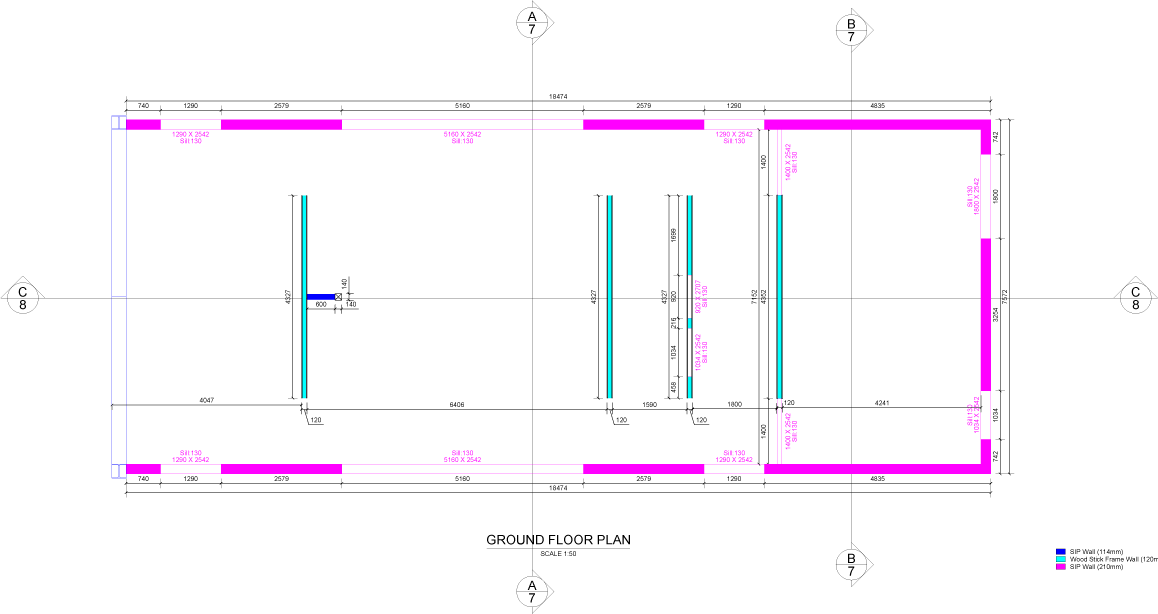
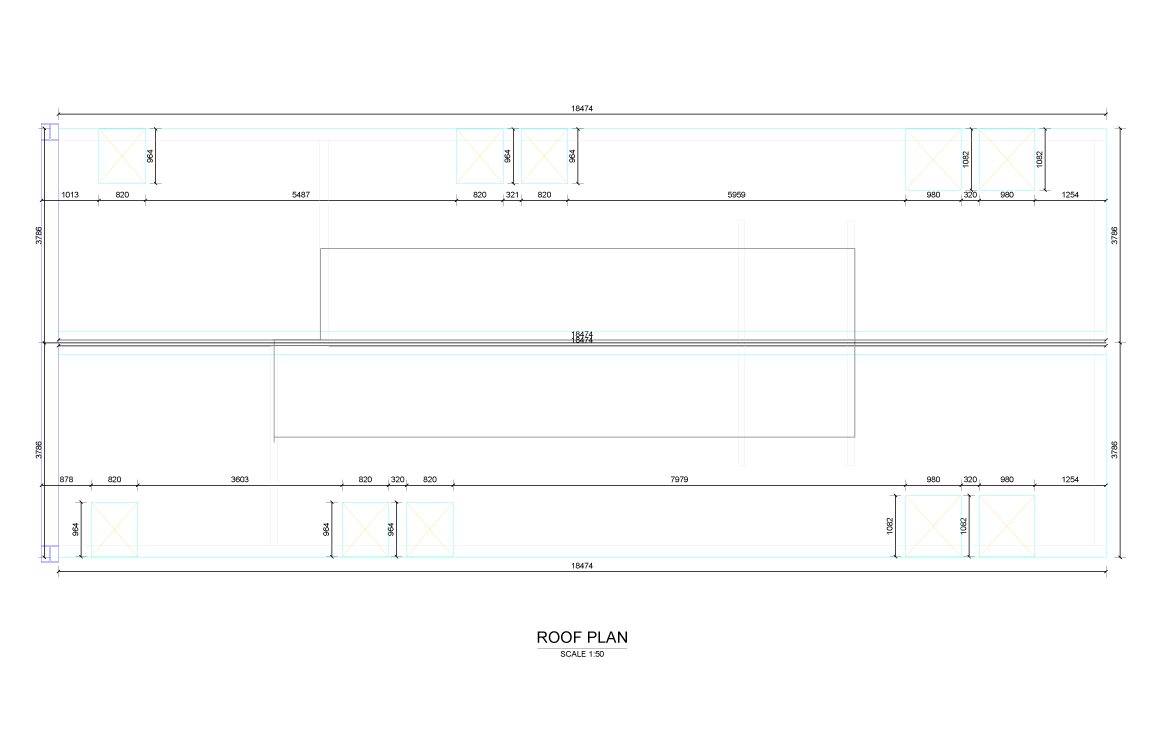
Delivered project · interactive model
Model reference: INST.1112NE-20-V1. This is a delivered Quacent Ready-to-Assemble SIP Kit project, separate from the drawing set above.
Use the model to explore the geometry and relationship between elements. Drag to rotate, and scroll or pinch to zoom. Rotation is optional; the viewer loads only when you choose to open it.
A model supports coordination, but does not replace checked construction details. Your project team uses its own approved revision for manufacture and assembly.
Explore the project geometry in the interactive viewer.
The 3D model loads on request. The drawings remain available without it.
From document to component
A panel reference is useful through manufacturing, packing, receipt and installation. Connect it to the drawing issue and relevant detail so a site question can be traced back to the agreed information.
When a revision affects several components, identify them together. Confirm who updates the drawings, who approves the change and how the revised issue reaches the factory and installer. Continue to identification, packing and delivery.
A coordinated design team
Coordinates production information and the engineering expressly included in the kit quotation. The documents, checks and support supplied are agreed for the project.
The architect coordinates the building design; the local lead structural engineer coordinates overall stability and interfaces. Identify the responsible professional for each calculation and detail.
Confirm decision makers, supply boundaries and execution interfaces. Local permits, foundations, fit-out and overall project engineering remain with the appointed parties unless a written agreement states otherwise.
Useful to know
The right preparation starts with a clear question. These are the decisions to bring into your project discussion.
Yes. Identify the current revision, unresolved items and the specific question for review. Early coordination is distinct from the approved information required for production.
Raise the proposed change with the responsible designer and Quacent contact before altering a structural element or connection. Identify the drawing revision, component reference and affected junction so the consequences can be reviewed.
Your next step
Include the drawing revision, project location and the technical question. Name the designer responsible for the relevant interface.