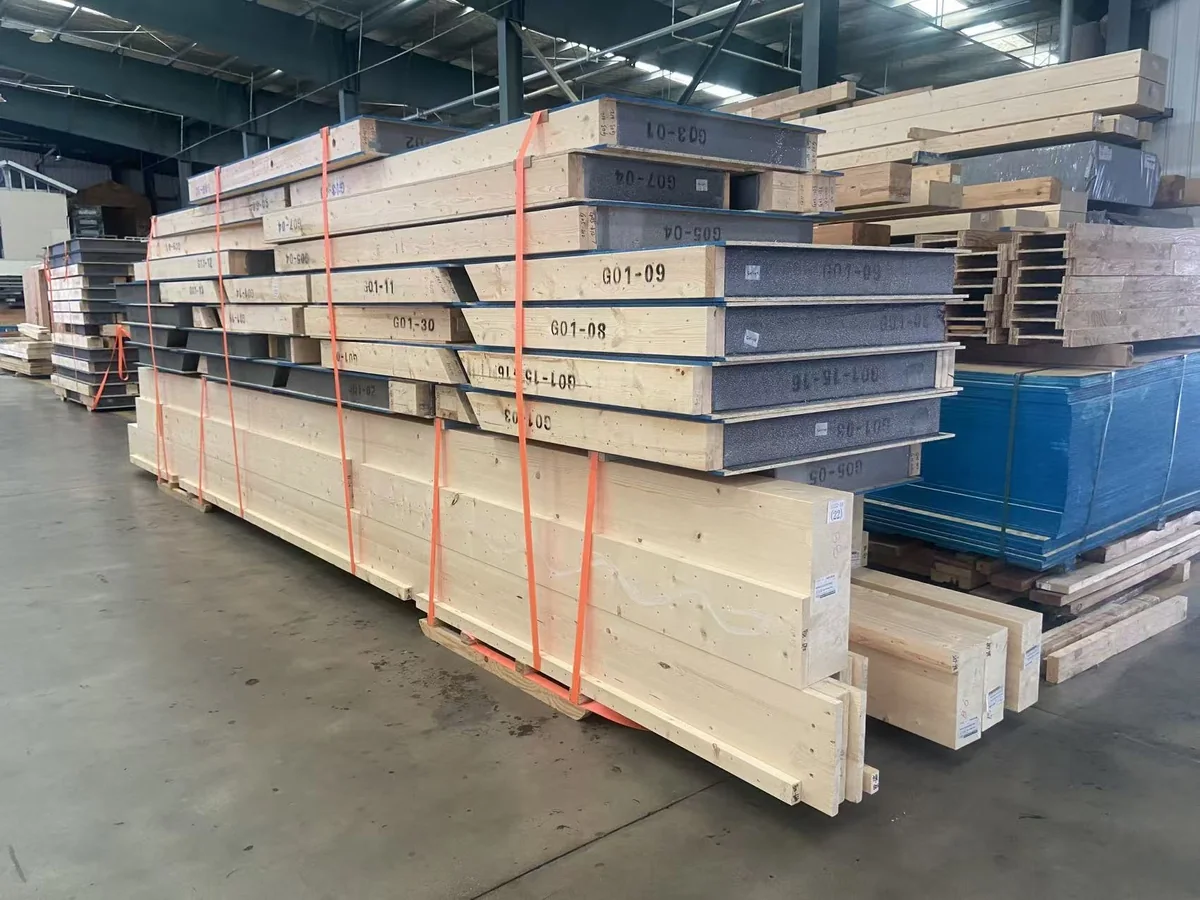
Numbered SIP elements stacked together.

Shipping & logistics

Plan the delivery before the kit leaves.

Connect package identification, packing, transport and site receipt. Prepare your team to receive the Ready-to-Assemble SIP Kit with the right documents, access and handling arrangements.

Identification and packing

Prepare the shipment around the kit.

Package references identify the shipment; panel references locate individual elements in the building. Connect both to the packing and component information so the receiving team can understand what is arriving and where it belongs.

Before packing is fixed, discuss grouping by building, floor or delivery phase. Review component protection, accessible labels and the relationship between loading order, unloading and storage. A transport grouping is not automatically the intended assembly order.

Strapped SIP panel package with visible panel references in the factory.
Visible panel references on a strapped SIP package. Retain the link to the issued component information.
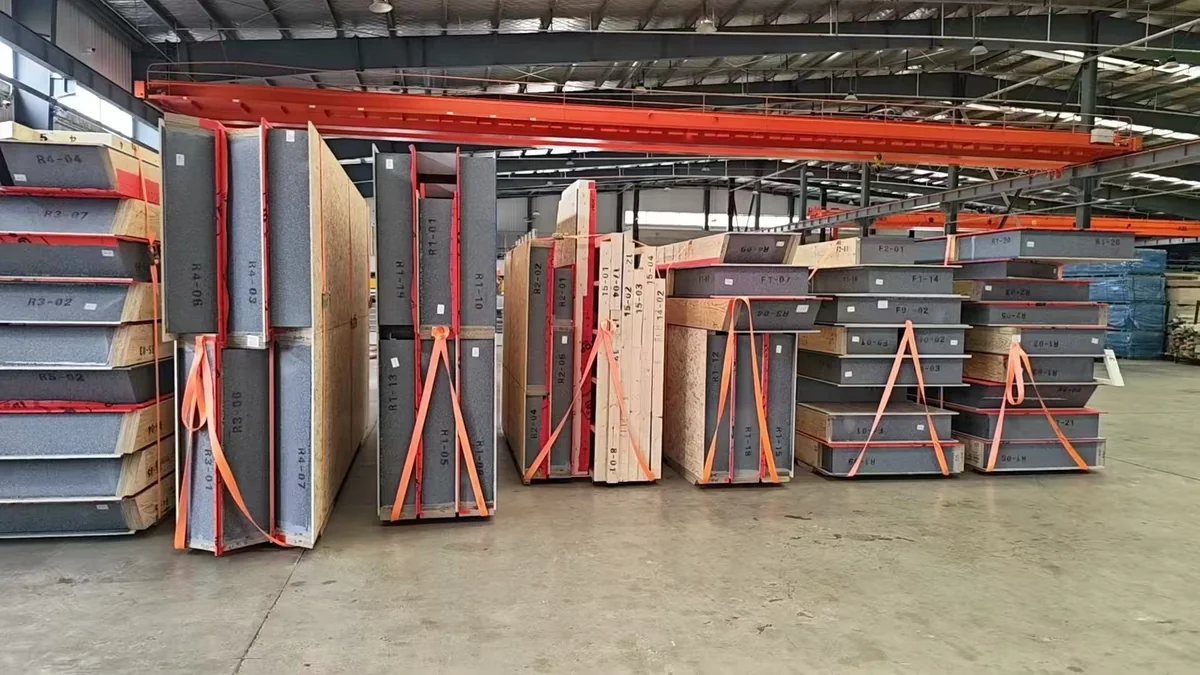
SIP panel packages held in transport frames in the factory.
Packages prepared in transport frames. Agree grouping and handling for the actual shipment.

Before dispatch

Define the route and the handover.

Confirm the dispatch point, destination and named place under the agreed delivery terms. The quotation identifies who arranges carriage, the route-specific documents, charges and unloading. A warehouse or delivery condition from another offer is not automatically the basis for your project.

Container or truck planning depends on package dimensions, weights, route and site conditions. For phased deliveries, identify what belongs in each release and whether components are shared across stages. Review the implications for additional handling, storage, cost and timing before committing to the packing plan.

Work backwards from the date the site can receive the goods. Agree a delivery window and contact route for changes, then relate these to production and packing. There is no standard transport price or duration that suits every project.

Before arrival

Give the receiving team a workable plan.

Check the actual route to the unloading position: road width, turning space, overhead restrictions and any access permissions. Supply package dimensions and weights to the appointed provider before it selects the handling and lifting equipment.

Prepare an unloading position and suitable protected storage. Keep the first working sequence in mind, with component references available as packages move from the delivery vehicle to storage and then to the assembly area. Support and protect panels according to the project handling instructions.

Name the receiving contact and agree who checks the delivery records. Confirm what happens if access, the delivery window or site conditions change. Your local team arranges safe unloading unless another contract covers that work.

Link these arrangements to the preparation for assembly support. The installer needs the current kit documents and an accessible reference system, not only a place to stack the delivery.

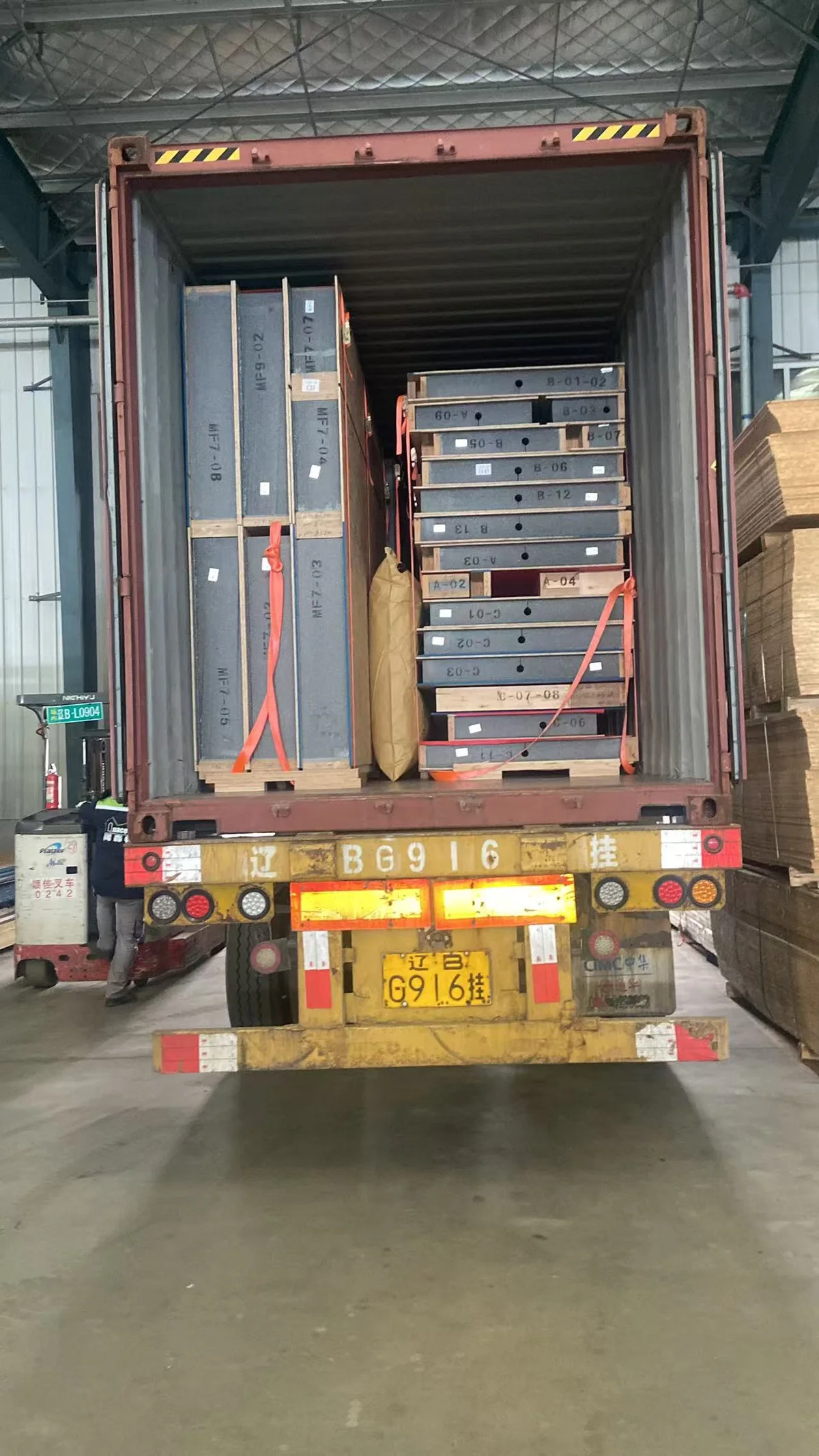
SIP panel packages loaded inside an open shipping container.
SIP packages inside a shipping container. Loading and receipt are planned for the actual route and site.

Documentation

Keep goods records and installation information connected.

Shipment records

Align the packing or component list, commercial documents and transport or customs records with the route and agreed terms. Give the receiving team the relevant information before arrival.

Kit information

Make the current component references and drawing issue available to the installer. Transport records document the goods handover; the issued kit documents explain where the components belong.

Project contact

Keep the reporting contact with the shipment information. Documentation must relate to the supplied system and destination; records from a different project are not a substitute.

At receipt

Check, record and hand over.

Compare package references, quantities and visible condition with the delivery records. For missing items or visible damage, record clear photographs and package identifiers, notify the responsible party through the agreed procedure and retain the records.

After unloading, keep labels legible and maintain the connection between the packages and the kit layout. Record where materials are stored and keep protection in place until the components are needed. A consistent reference helps the installer find the next element and makes any later question specific.

For a useful handover, make sure the next team has the information it needs to continue its work. Confirm the drawing issue, component references and reporting route rather than relying on a verbal description of the shipment.

Quacent project footage

See a delivery-handling reference.

View this reference alongside your receiving checklist. Your site team defines the equipment, working area and handling plan for the actual load; the footage is context, not a universal unloading instruction.

Watch on YouTube (opens a new tab)

Useful to know

Questions before the next step

The right preparation starts with a clear question. These are the decisions to bring into your project discussion.

Can a kit be divided into several deliveries?

Discuss phases before packing and transport are fixed. Identify which components belong together and review the handling, storage, timing and cost implications for the proposed arrangement.

What should we send for a delivery discussion?

Provide the destination, intended receiving window, access restrictions, storage arrangements and delivery phases. Identify the receiving contact and any constraints that affect the vehicle or unloading plan.

Your next step

Discuss Your Delivery Plan

Tell us the destination, access conditions and proposed delivery phases. We can then discuss the information needed to plan packing, transport and receipt.