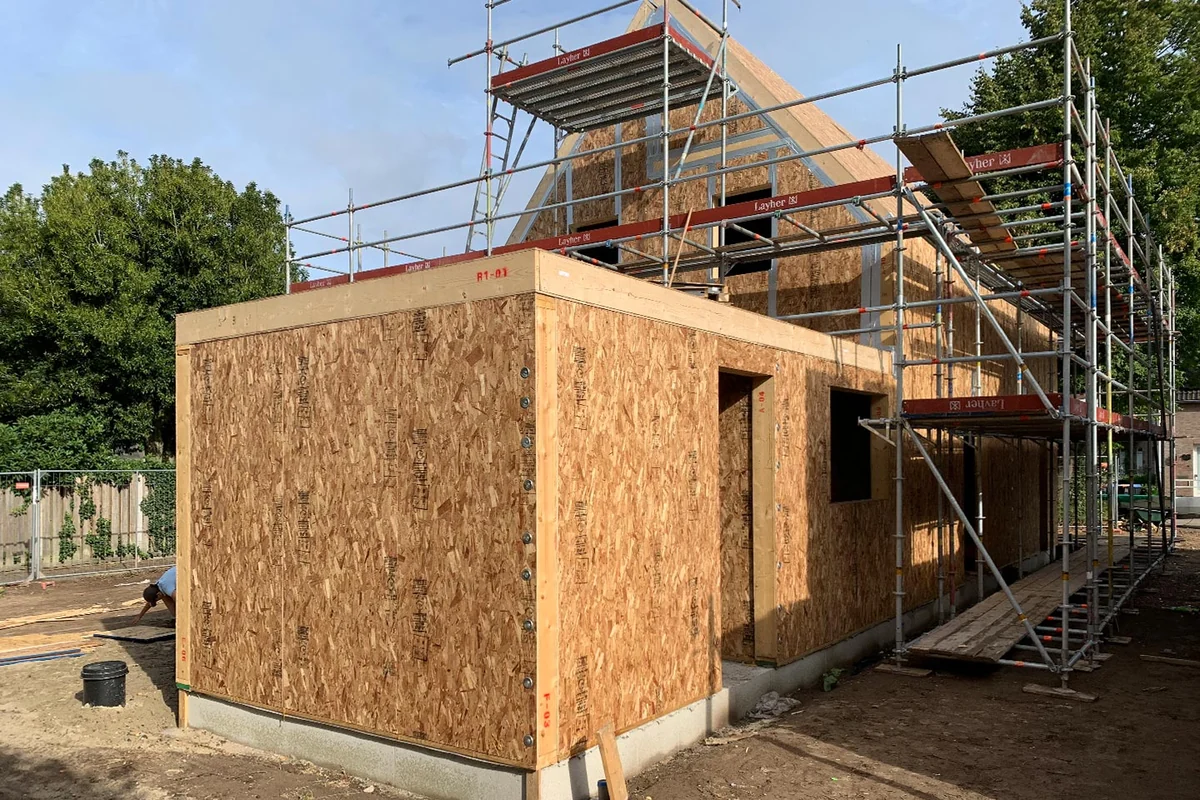
SIP gable wall with a timber beam and framed openings.

Assembly support

Prepare your team. Coordinate the assembly.

Turn delivered components into a coordinated site assembly. Quacent offers document guidance, technical coordination and separately agreed start-up support for your Ready-to-Assemble SIP Kit.

Support for your appointed team

Start with the work already planned.

Quacent assembly support connects the kit documents with the people carrying out the installation. Begin with the contractor’s planned work: which parts of the system are familiar, which details need discussion and where a specific briefing would help.

Describe the project location, installation stage and people taking part. Match the support to a meaningful handover, such as preparing the first assembly sequence. Agree tasks, availability and practical arrangements before booking attendance.

Document guidance and remote coordination
Review the current drawing set, component references and specific technical questions with the agreed Quacent contact.
Start-up attendance
Where agreed, a site visit introduces the kit information, relevant details and initial sequence to the appointed team.
Further attendance or assembly partners
Define additional tasks, duration and travel separately. Any contracted installation work needs its own written scope and responsible party.
SIP shell under construction with scaffolding alongside the wall.
Site readiness and working arrangements belong in the contractor’s preparation.

Prepare before arrival

Make the first working sequence ready.

The responsible local team checks the base, dimensions, levels and interfaces against the current project information. Agree lifting arrangements, temporary stability requirements and the sequence with the contractor and responsible engineer. Confirm these project-specific decisions before work starts.

Current documents

Give the installer the approved drawings, relevant connection information and component identification. Confirm how revised instructions are issued and how superseded drawings are kept out of use.

Access and equipment

Arrange the crane, scaffolding, local labour, site facilities and other provisions required by the agreed method. Confirm the working area and the people responsible before the kit or support team arrives.

Receipt and storage

Prepare suitable protected storage and keep package references readable. Coordinate unloading and component access with the delivery and receiving plan so the installer can locate the elements needed first.

Use the component reference

Connect each element to the drawing.

Before positioning an element, relate its identification to the current layout and relevant connection detail. At start-up, introduce that document set to the local team and agree how questions and authorised revisions will be communicated.

Use the same reference when reporting a discrepancy. The installer, designer and Quacent contact should be able to locate the same component and discuss the same junction, rather than working from separate descriptions.

Planning depends on the project geometry, kit configuration, access, equipment, team experience and site conditions. Confirm the actual programme and support scope; there is no universal crew size or installation duration.

The delivered RTA SIP Kit references show the range of projects. Your installer still works from the documents issued for its own building.
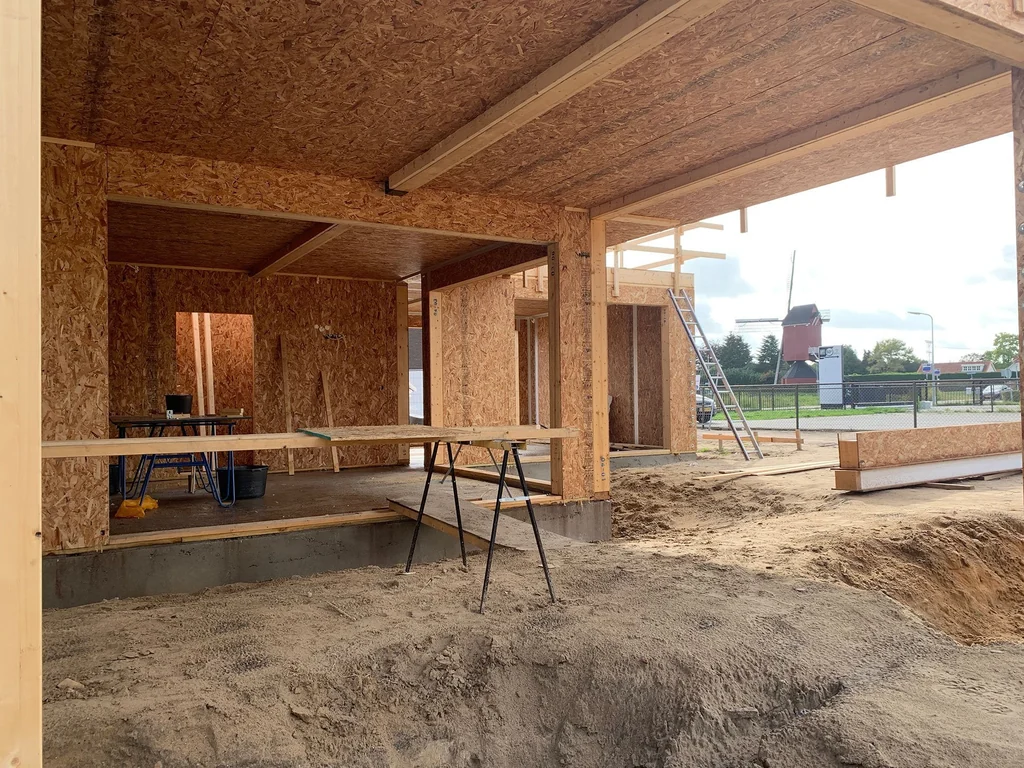
Interior of a SIP shell showing openings, panel surfaces and timber interfaces.
Use the current project details to coordinate openings and junctions.

Clear working relationships

Separate technical support from site execution.

Quacent support

Document guidance, technical coordination and any agreed attendance focus on the supplied kit and the questions defined for the support assignment. Confirm what is included, who participates and which decisions need the responsible designer’s approval.

The appointed local team

The contractor manages labour, equipment, site safety and execution under its contract. Record responsibility for lifting, scaffolding, temporary works and site facilities. Foundations, fit-out, local supervision and overall structural responsibility do not automatically transfer through a technical support visit.

Questions during installation

Show the issue before changing the detail.

Send the drawing revision, panel reference, clear photographs and the location of the junction. Show what differs from the issued information and explain the decision required. Include the surrounding area as well as a close-up so the context is visible.

Obtain the required design confirmation before cutting a structural element or changing a connection. An informal discussion is not a substitute for an authorised change. Keep the agreed response with the project information and communicate any revised instruction to the people carrying out the work.

This keeps a technical answer connected to the installation, rather than leaving it in an isolated message thread. Read how design revisions are coordinated.

Assembly reference

Watch the kit in a site setting.

This assembly reference provides context for the supplied kit. Review the actual project details with the installer; site methods, temporary stability and supervision remain part of the appointed team’s execution plan.

Watch on YouTube (opens a new tab)

Useful to know

Questions before the next step

The right preparation starts with a clear question. These are the decisions to bring into your project discussion.

Is start-up attendance included in every kit?

No. Agree the support format, tasks, timing and practical arrangements as part of the quotation or a separate support agreement. A kit order is not automatically a full installation contract.

Can our local contractor assemble the kit?

Discuss your appointed team’s experience, preparation and questions with Quacent. Support can focus on the issued documents and relevant details; the contractor retains responsibility for its agreed execution work.

Your next step

Discuss Assembly Support

Tell us about the appointed installer, location and first work stage. Identify the documents or details the team would like to review before starting.