
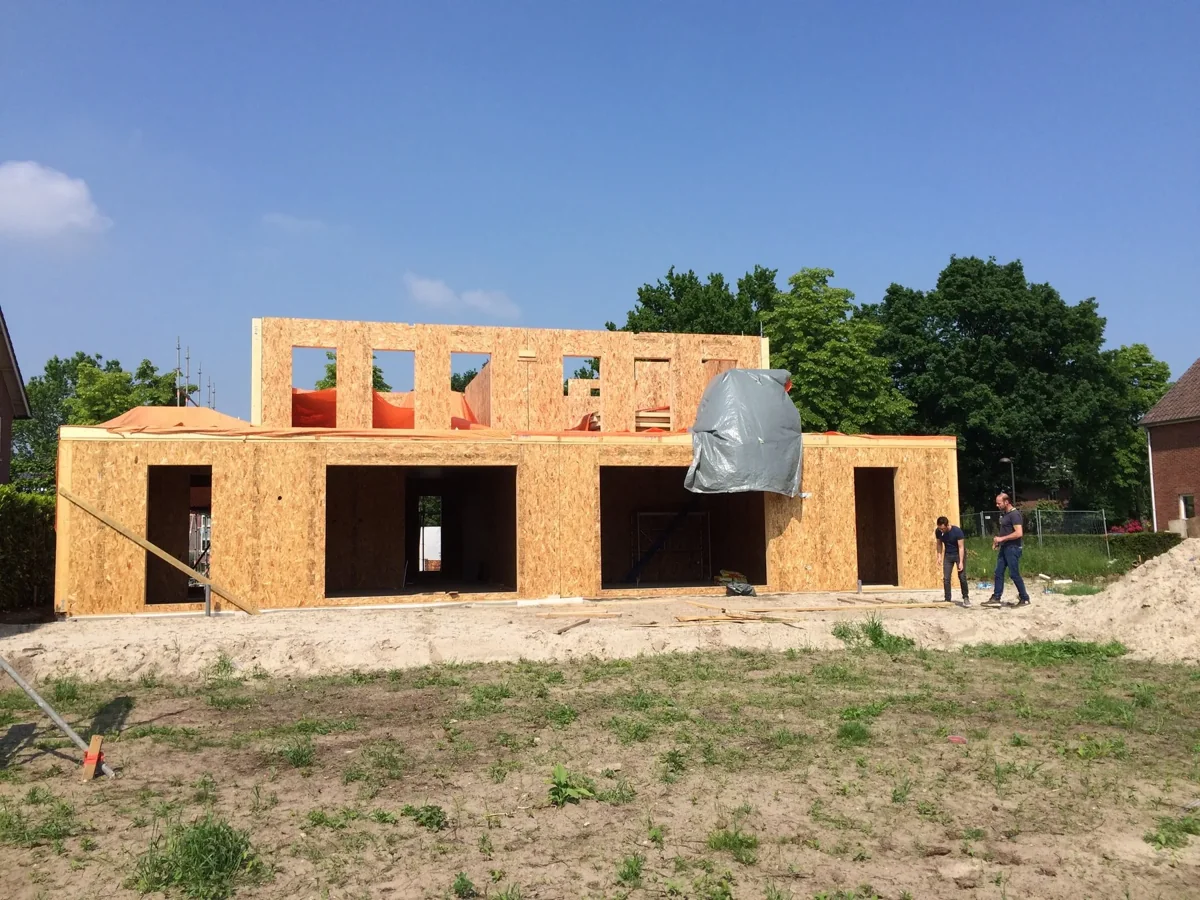
SIP shell with wall openings and timber components on site.

How we work

A clear route from drawings to delivery.

From the first drawings to the delivered Ready-to-Assemble SIP Kit, Quacent connects technical preparation, production and logistics. Clear decisions at each stage prepare the next team to continue.

The project route

Eight stages. One coordinated kit.

The process follows both information and materials. Drawings define the building, the agreed scope defines the supply, and the approved production issue connects the two. Each stage leaves the next team with a usable reference and a clear decision.

  1. 01

    Project intake

    Share the location, intended use, available drawings and proposed programme. Identify the architect, contractor and lead structural engineer, together with the decision you need to make next.

    Handover A shared project brief

  2. 02

    Technical review

    Quacent reviews the proposed geometry, system and supply boundaries. Questions and missing information go back to the responsible designers before the kit scope is developed further.

    Handover A defined review scope

  3. 03

    Design & engineering

    Coordinate panel layouts, openings, supports and connections with the building design. Agree the documents and checks included in the Quacent supply. Explore engineering support.

    Handover Coordinated kit information

  4. 04

    Approval for production

    The nominated contacts confirm the coordinated revision, dimensions and specifications. Resolve outstanding changes before releasing manufacturing information; a discussion drawing is not a production instruction.

    Handover An approved production issue

  5. 05

    Manufacture & check

    CNC production follows the released information. The factory prepares the panels and components and completes the checks and production records agreed for the supplied kit.

    Handover Prepared kit components

  6. 06

    Identify & pack

    Component references connect the physical elements to the issued documents. Discuss package grouping and delivery phases before packing is fixed so the receiving team knows what to expect.

    Handover Identified packages

  7. 07

    Ship & receive

    Confirm transport scope, destination, delivery terms and receiving arrangements. The local team prepares access, unloading and storage. Plan logistics and receipt.

    Handover A planned goods handover

  8. 08

    Assemble with support

    The appointed team installs the kit using the current project information. Document guidance, start-up attendance or further support are agreed separately. Review assembly support.

    Handover An informed installation team

Start the conversation

Bring the information you have.

You do not need a finished design to begin a discussion. Send the current drawings and explain what is decided, what is still being developed and which question Quacent should review. That makes an early conversation useful without treating preliminary information as ready for manufacture.

Include the project location, building use, approximate size or number of units, current design stage and preferred programme. Name the people who can resolve technical questions. Where a drawing is incomplete, identify the open issue rather than leaving the next team to assume an answer.

After the enquiry, the next step is to agree the information needed for a scope or technical review. For repeated buildings or phased releases, keep the relevant drawing issue and supply boundaries clear for each phase.
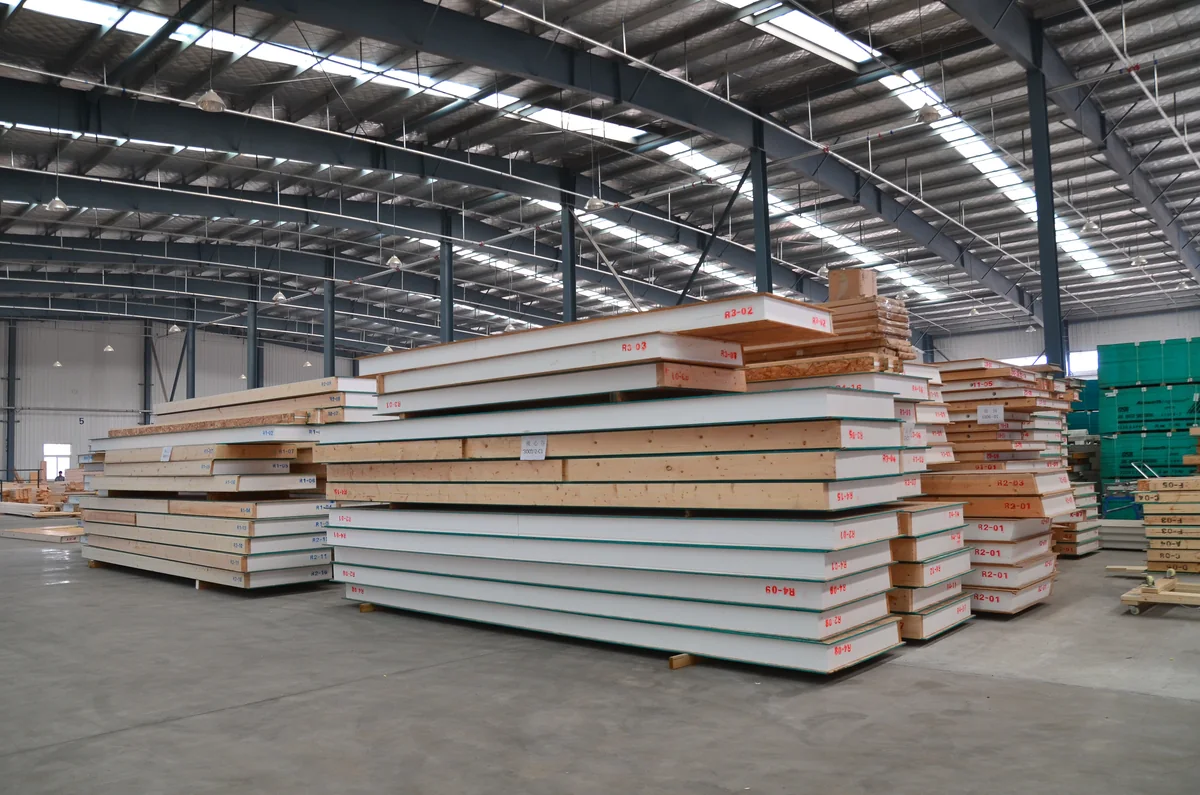
Prepared SIP panels stacked in the production hall.
Prepared SIP panels in the factory. Production follows the released project information.

The agreed supply

Start with the kit. Define the support.

The accepted quotation identifies the panels, accessories, documents and support included in the order. Set out additional engineering, delivery arrangements and assembly attendance as specific activities, not as assumptions about a complete building contract.

Foundation works, building services, fit-out, permitting and local lead structural engineering are not automatically included. Your wider project team coordinates those interfaces with the kit.

Keep decisions with the relevant drawing revision and the person who approved them. Later changes to geometry, quantities or delivery arrangements need review before they become part of the supply. Review what an RTA SIP Kit includes.

Delivered RTA SIP Kit

De Kreit: the kit within the building project.

De Kreit is one of the projects supplied as a Quacent Ready-to-Assemble SIP Kit. The site photograph shows the kit as part of the wider construction process; the delivery of the kit and completion of the whole building remain distinct scopes.

The delivered references on this website show the range of project geometry. Use them to discuss your own design and preparation, rather than assuming that a previous project’s specification is the right one for your building.
Explore the delivered kit references.

De Kreit SIP shell with gable walls and open window positions.
De Kreit · supplied as a Ready-to-Assemble SIP Kit.

Project footage

See the kit preparation and assembly context.

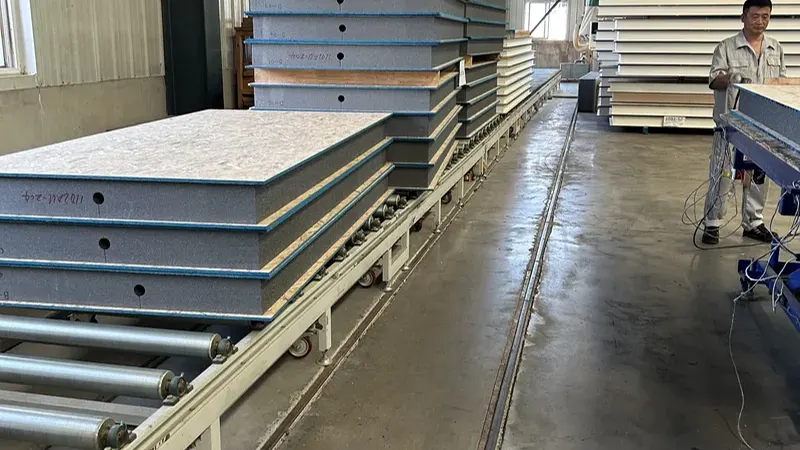
View the Quacent assembly reference alongside the process above. The programme and any timing shown belong to that example; your own production and installation sequence is agreed from the actual design and site preparation.
Watch on YouTube (opens a new tab)

Your next step

Discuss Your Project

Share your location, intended use and available drawings. Tell us which decision you need to make next so the review can start with the right information.